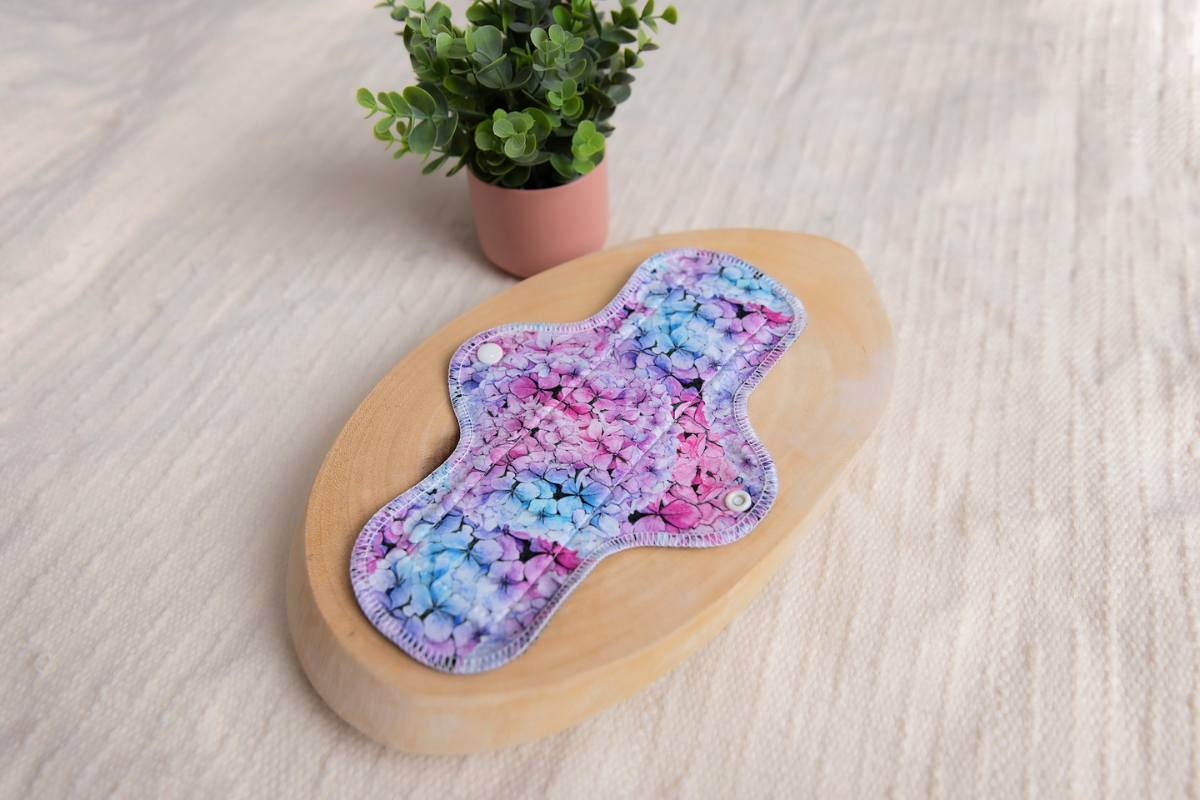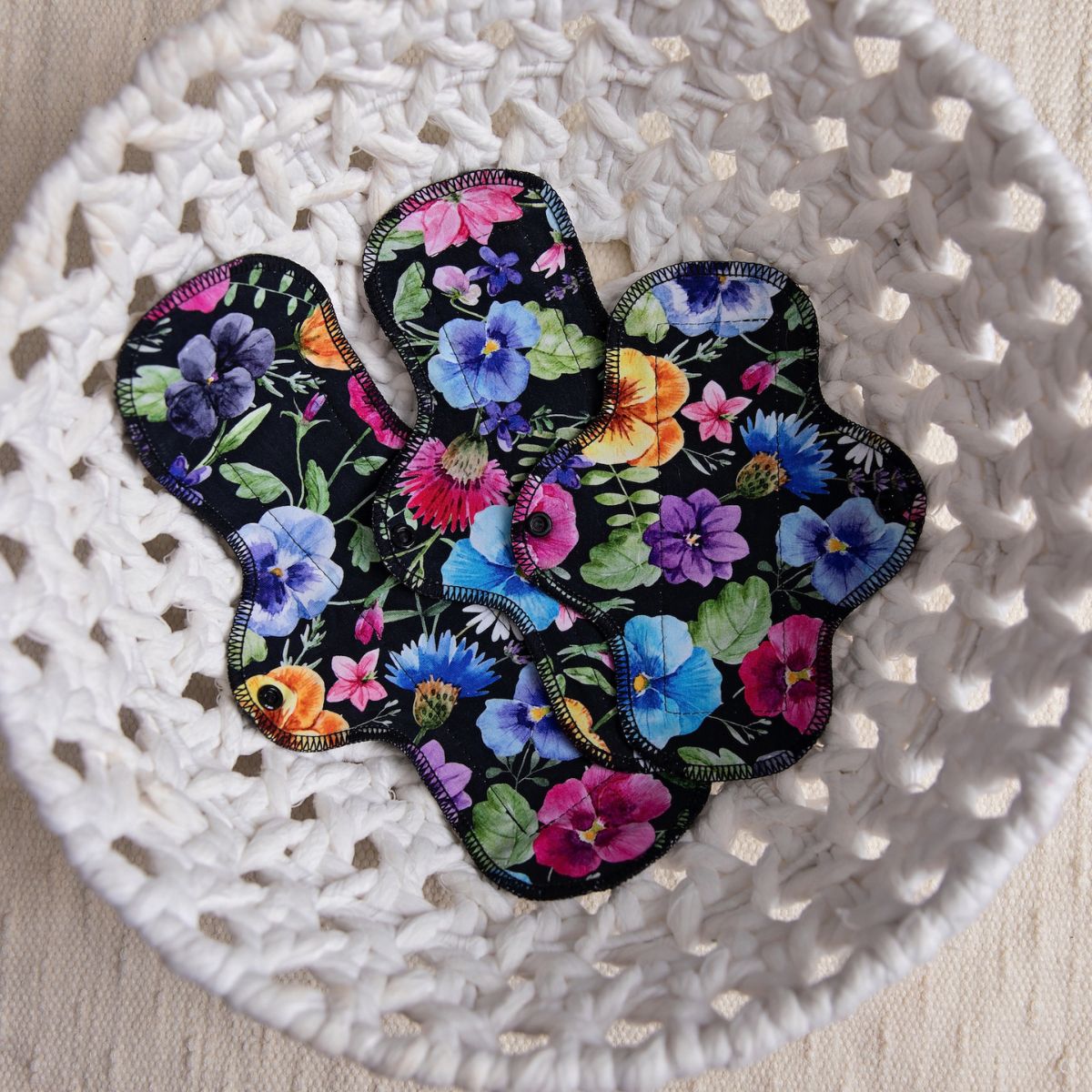



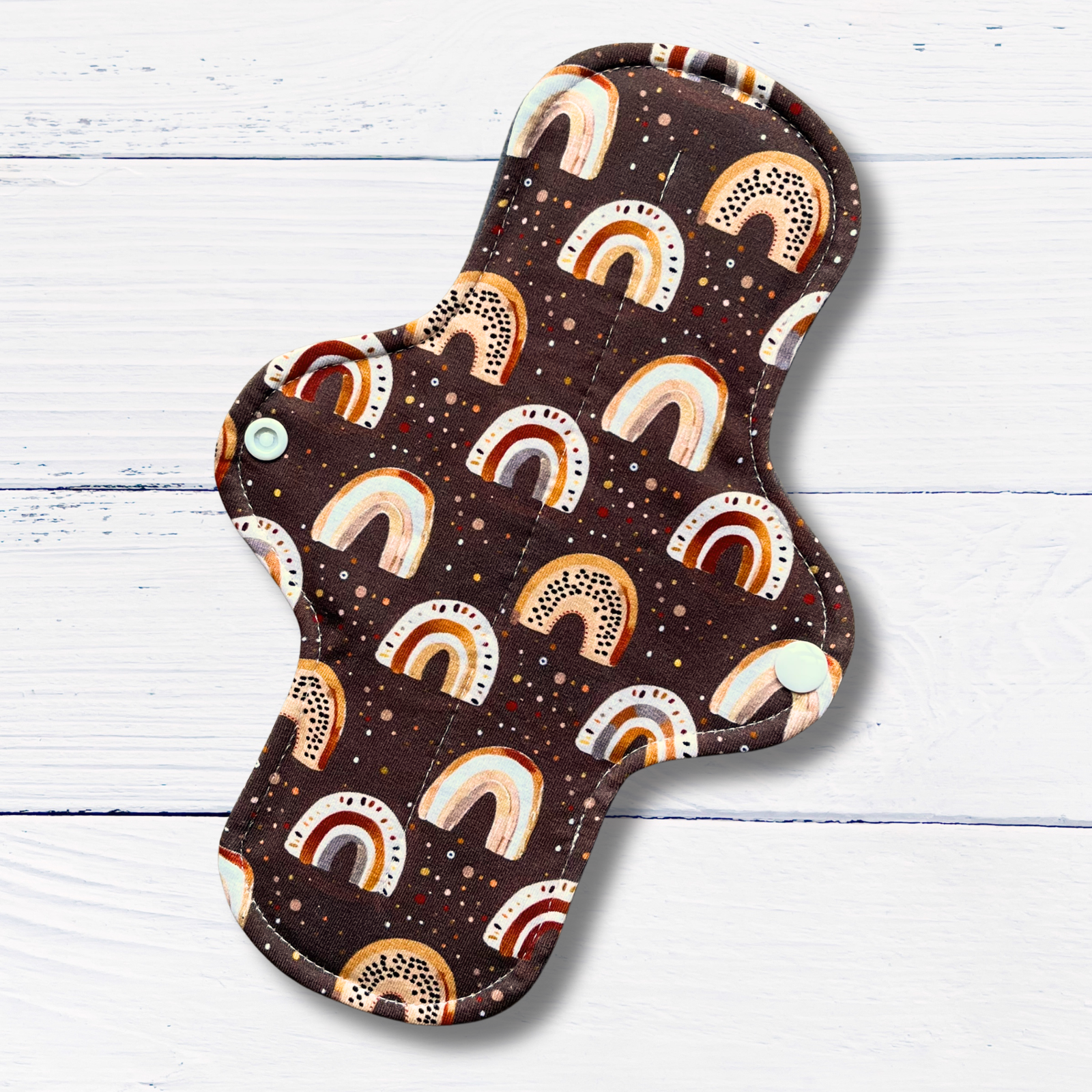

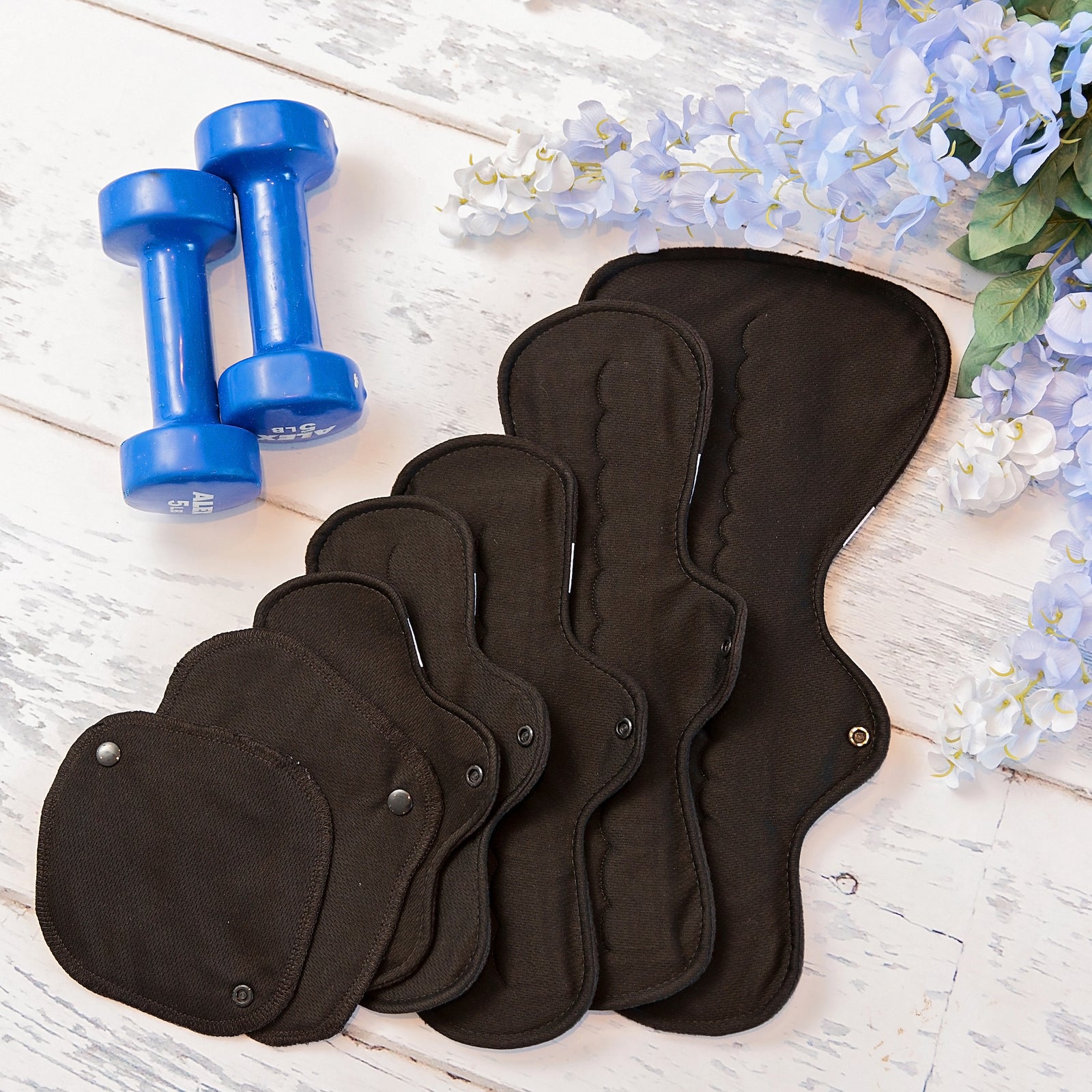

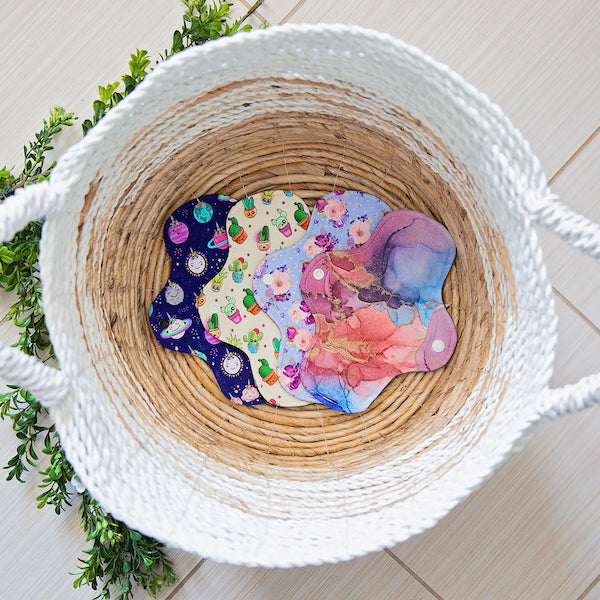

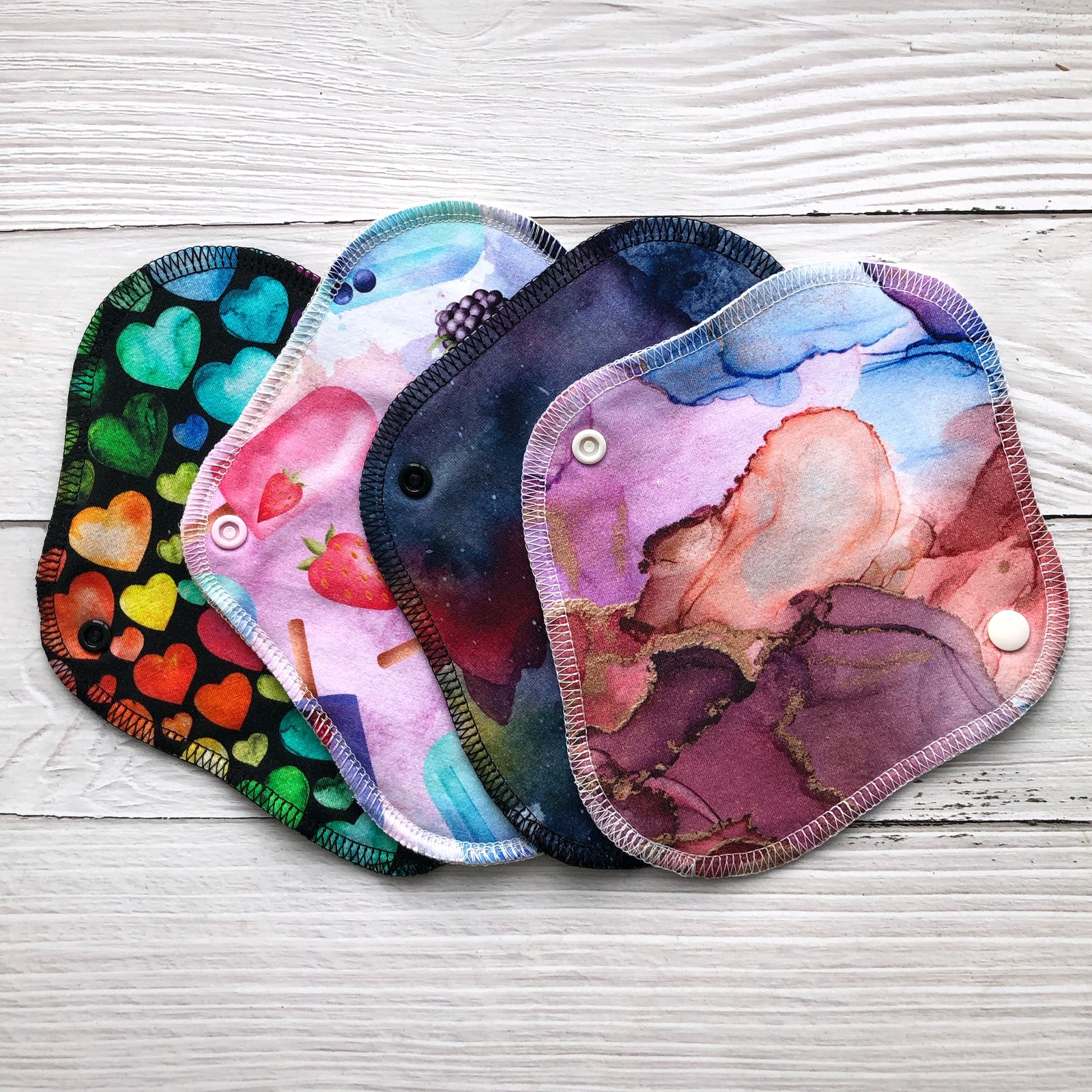

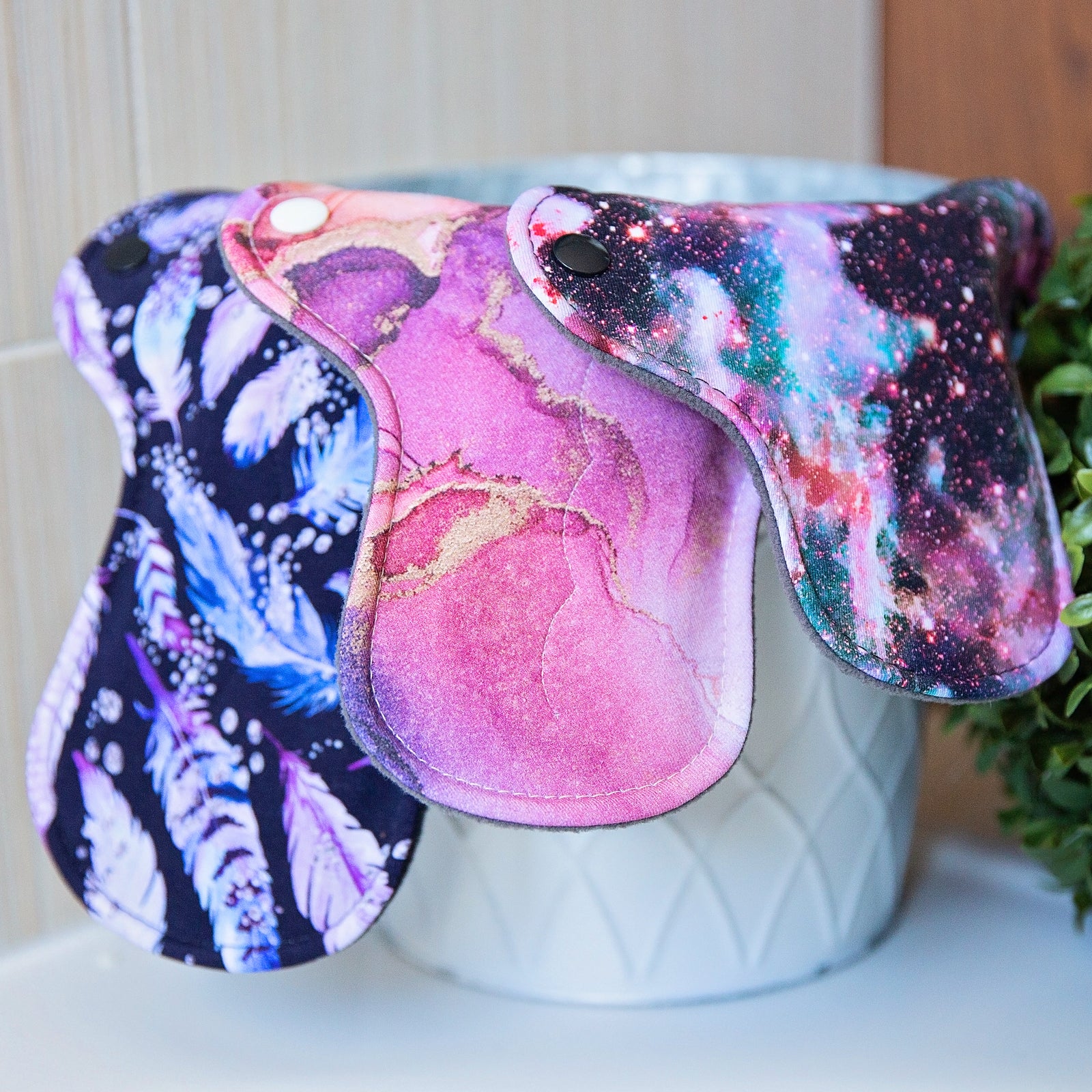







It's exciting to see more and more people embracing reusable pads as a sustainable and cost-effective alternative to disposable products. Not only are they good for your wallet, but they also drastically reduce landfill waste and our environmental footprint. Just like any other personal item, keeping your reusable pads clean and fresh is essential for hygiene and comfort. A key to achieving fresh and clean reusables? Choosing the right detergent! This guide will help you navigate the world of detergents and find the perfect one for your Amie pads, ensuring they stay clean, fresh, absorbent and last you for years to come.

One caveat…if you are a reusable pad user and your pads are consistently clean and fresh and have not suddenly started causing you problems, you don't need to change a thing. You have permission to just be happy and go about your day and not try to fix something that isn't broken!
If you are new to reusable pads, your pads aren't coming as clean as you'd like, or your pads seem less absorbent than before, this guide to choosing the best detergent for reusable pads is for you. Let's dive in!
Understanding Detergent Options
Detergents come in liquid, powder, concentrate, pods, strips and probably several other formats! You'll also find detergents that smell like apple-mango, a beach on a summer day and ones that are scent-free. You'll find detergents with whiteners, fabric softeners, bleach, ones made for cold washing, washing jeans, and ones with claims of being 'green'. How to choose?!

How to Choose a Detergent
What's more important than the format of the detergent comes down to two things. A good detergent:
- will get the deep fibres of the pads clean
- will not cause build-up
The honest truth is that almost any mainstream detergent will usually get your pads clean, so most often, you can just choose one you like. Here are a few tips to keep in mind:
Choose a detergent with enzymes: I want to be more precise here than I was in an earlier version of this post, where I said most mainstream detergents contain enzymes. That's true, but it's not the whole story, and I've learned enough since then to want to explain it properly.
There are a few different enzymes, and they each go after something different. Protease breaks down protein-based stains, like blood, which is the one that matters most if you're using your pads for periods. Amylase breaks down starches. Lipase breaks down oils and body grease.
Here's the part that surprised me: liquid detergents in North America often leave lipase out entirely, because it's harder to keep stable in a liquid formula. Powder detergents are far more likely to include the fuller blend of all three. So it's less about whether a detergent "has enzymes" and more about which ones, and in what format.
If you're using your pads for bladder leaks, it's worth knowing that urine doesn't really behave like a protein or fat stain. Any lingering smell over time usually comes from uric acid, which forms tiny deposits that don't dissolve easily in plain water. A good wash routine, and not letting pads sit too long before washing, matters more here than enzymes specifically.
Enzymes also allow you to effectively launder items in warm or cold water, whereas detergents without them need warm water to activate.
No Fabric Softener: Fabric Softener is a big no-no for reusable pads, as it works by coating the fibres, making the product feel softer. As the product builds up, absorbency is reduced, which is the exact opposite of what we're going for with reusable pads.

No Dryer Sheets: Dryer sheets have fabric softener, which I've just mentioned is definitely out.

Choose detergent, not soap: Several boutique or green-brand laundry products are not actually detergent, but soap. Soap is awesome for your hands and for your dishes. But, soap will not clean your pads. It is a mild cleaning agent, which is not powerful enough to properly clean thicker absorbent materials. And, soap builds up in the fibres of the pad, which decreases absorbency, causing pads to be less and less clean, leading to odour issues.
Don't use homemade 'detergent': If you make your own laundry soap, I am in awe of you! That's amazing. The issue is that homemade laundry products are soap-based and for reusable pads, as I've mentioned above, soap will not cut it. If you'd like to learn more about soap vs detergent, I suggest checking out what these smart people have to say.

A Few Specific Picks
If your detergent is already doing the job, none of this is necessary. But if you'd rather have a specific name than guess in the aisle, or you're dealing with a particular issue, here are a few I'd recommend, all easy to find in Canada.
Tide Powder (Original): Reach for this one if you've been noticing lingering odour or buildup. It contains all three enzymes mentioned above, protease, amylase, and lipase, which is the fuller blend that liquid detergents tend to skip. It's also easy to find, including at Costco.
Persil ProClean: If Tide just isn't your brand, this does the same job. It's a strong, enzyme-rich alternative, sold at most major Canadian grocery and retail stores.
Tide Free & Gentle: This one's for scent or sensitive skin, not buildup. It still has a meaningful enzyme blend (protease and amylase, plus mannanase), just without the fragrance and dyes. It skips lipase, so it's a notch gentler than the two above, which for most people is a fair trade.
Honourable mention, Nellie's Laundry Soda with POW Powder: A Canadian-made, fragrance-free option, but the name matters here. Nellie's makes a few different products, and only the one labelled "with POW Powder" has an enzyme added. The plain Nellie's Laundry Soda doesn't, and isn't strong enough on its own for reusable pads. If you're picking this one up, double check the label says POW.
What about scents and dyes?
There are good reasons that people want to avoid these. You can certainly choose a good scent and dye-free detergent for your pads, but you don't need to in order to get them clean.
What about soap nuts? Laundry strips? Concentrates?
Soap Nuts are a berry, which, when wet, will release saponin, a surfactant present in soap. While they are super-cool and, obviously, planet-friendly, they are not recommended because, like soap, they lack the cleaning power required to deep clean the fibres in reusable pads.
Laundry Strips: These are new to the scene, an eco-friendly detergent that comes in a concentrated strip. Many people find they do a surprisingly-good job on their regular laundry. However, I don't recommend them for reusable pads, as they just aren't powerful enough to get the deep fibres clean. So, save them for your clothing and use something more powerful when you have reusable pads in the wash load.
Concentrates: Most liquid laundry detergents (and shampoos, dish detergents, floor cleaners, mouthwash, and just about every other cleaning or personal care product!) has a bunch of water added so the product will have more bulk and appears to be a better value. Several companies are beginning to offer concentrated cleaning and personal care products that have all the added water removed, which you can easily add at home (or your washer can add for you when it washes your stuff!). As long as the concentrated detergent meets the standards above for good cleaning power (a true detergent, preferably with enzymes, not soap) and will not cause build-up (no fabric softener), go for it.
What if I have hard water?

There is no getting around that hard water messes with laundry. The minerals build up on fibres, leaving clothing dingy and extra rinses only exacerbate the problem. If you have untreated hard water, your best bet with your reusable pad laundry (and your regular laundry) is to add a water softener of some kind. You will add this to the drum, not to the softener compartment, which is for fabric softener (which, as you remember, you're not using!). Borax and washing soda (not the same as baking soda) are both widely available in Canada and work well for this. If you've used Calgon for this in the past, it's worth knowing it's no longer sold in Canada, so borax is the practical substitute now.
What about if I've already used fabric softener/soap/something that has built up in my pads?
That's okay. I'll help you undo it. You will need to do a process called 'stripping'. Add 1 tsp each of borax and washing soda to a gallon of hot water. Stir to dissolve and add clean pads, soaking for a few hours or overnight. Wash in cold water without detergent and then do a bleach soak.
If you'd rather skip the DIY mix, RLR Laundry Treatment does the same job in one product. It's sold by several Canadian cloth diaper and reusables shops. You run it through a wash with no detergent, then rinse until the suds are gone.
For the bleach soak, use a disinfecting bleach which has 5.25% sodium hypochlorite. Add 1 Tablespoon bleach to 1 gallon of cold water. Soak for 30 minutes and rinse with hot water, then wash and dry as usual. (Bleach soaks are also recommended to sanitize your pads if you have used them while you had a yeast infection.)

What if I have more questions about washing my reusable pads?
You might find one or all of these blog articles helpful:
- How to Wash Reusable Pads
- How to Handwash Your Reusable Pads
- Other Ways to Wash Reusable Pads
- Troubleshooting Your Reusable Pads
Choosing the right detergent is a crucial part of caring for your reusable pads and ensuring a comfortable experience. By following the tips in this guide, you can find an effective detergent that keeps your Amie pads clean, fresh, and odour-free. With proper care and cleaning, they'll be clean, effective and comfy for years to come. So ditch the disposable products, embrace reusables, and feel great about yourself and the planet!