














Maybe you've been quietly stuffing disposable pads into the bathroom trash every day and wondering if this is just…how life is now. If so, you're in very good company — conservative estimates suggest that roughly one in three Canadian women experience urinary incontinence. That's a lot of people dealing with a lot of disposable pads. The good news is that you have more options than you might think, and some of them might surprise you.
What makes someone look for alternatives to disposable incontinence pads? Usually, it is a handful of things, not just one factor. If you’re nodding along as you read them, you’re in the right place.

High Cost: As a very frugal person, this one gets me every time. A package of disposables seems reasonable enough purchased one at a time, but when pads are used day after day, year after year, the cost adds up faster than most people realize. For the average person, even modest use adds up to hundreds of dollars a year, and that number climbs significantly for those who need heavier protection.
Skin Irritation and Sensitivity: Disposable pads contain fragrance, gels and plastic that sit against the skin all day. Combined with the heat that builds up when plastic doesn't breathe, this can cause real discomfort for a lot of people, ranging from redness and rashes to, in more serious cases, open sores and infection.
Environmental Damage: Disposable pads are made with plastic that is estimated to take 500-800 years to break down in our landfills. What’s worse, unlike a banana peel or an old cotton t-shirt, they don’t decompose, but rather break down into microplastics. Every pad you've ever used still exists somewhere on this planet and will for centuries after you're gone.
They Just Don't Feel Good: Beyond the skin irritation, the everyday reality of wearing plastic against your skin is straight-up annoying. The rustling, the sticking, the sweatiness…at some point, you simply decide you deserve something more comfortable.
And, all of these can lead to the sense that there must be something better. There absolutely are more comfortable, sustainable and more economical options available.
Absorbent Leak-Proof Underwear
These are fairly new to the scene and has become a favourite for people who want protection that feels as close to normal underwear as possible. With a built-in waterproof barrier and an absorbent layer, they are an excellent option for those with light to moderate leaks and about as simple a routine as you can get. The Honest Tradeoff: the cost per pair can be high, and changing them away from home means fully undressing from the waist down, which is not exactly ideal in a public washroom.
Reusable Cloth Pads
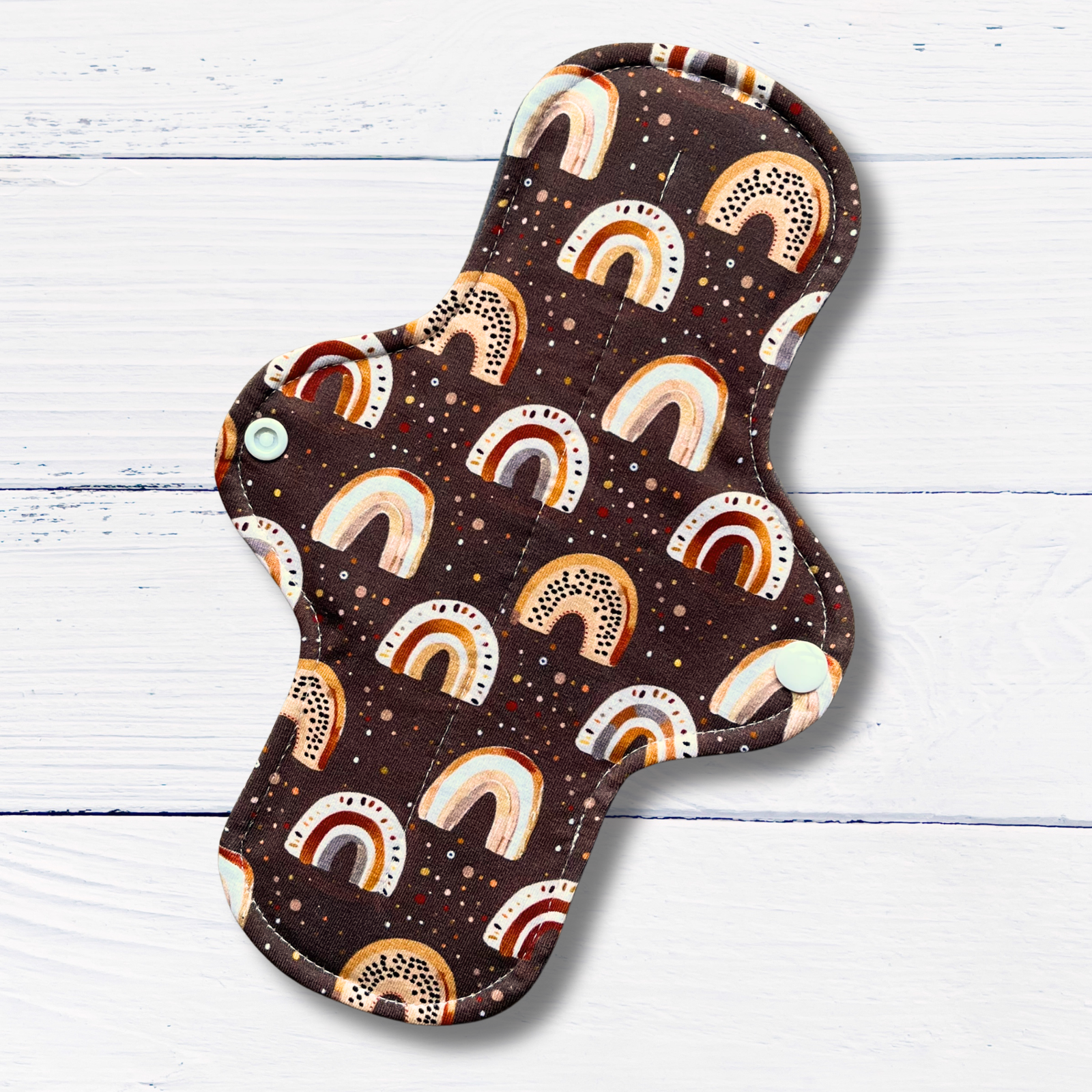
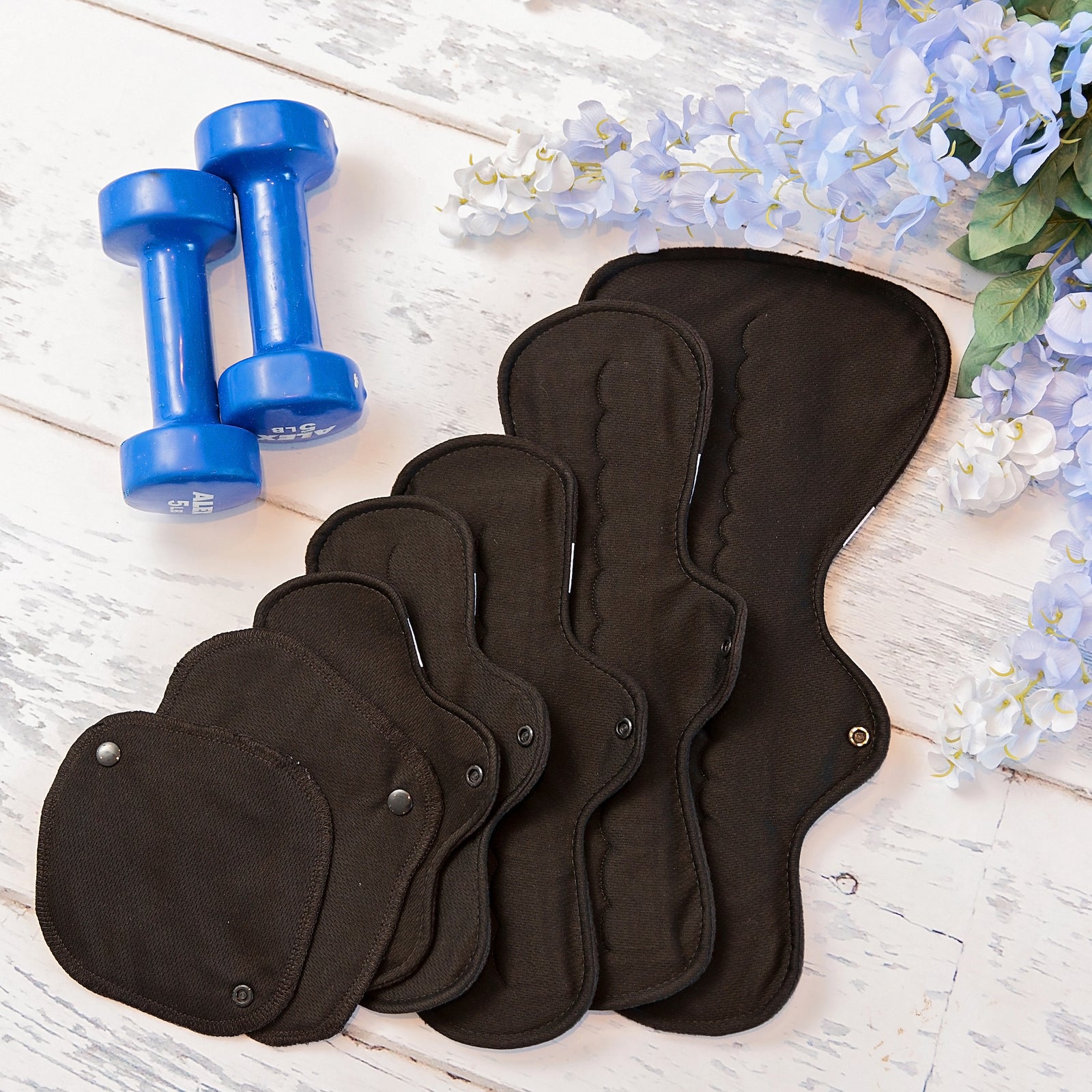
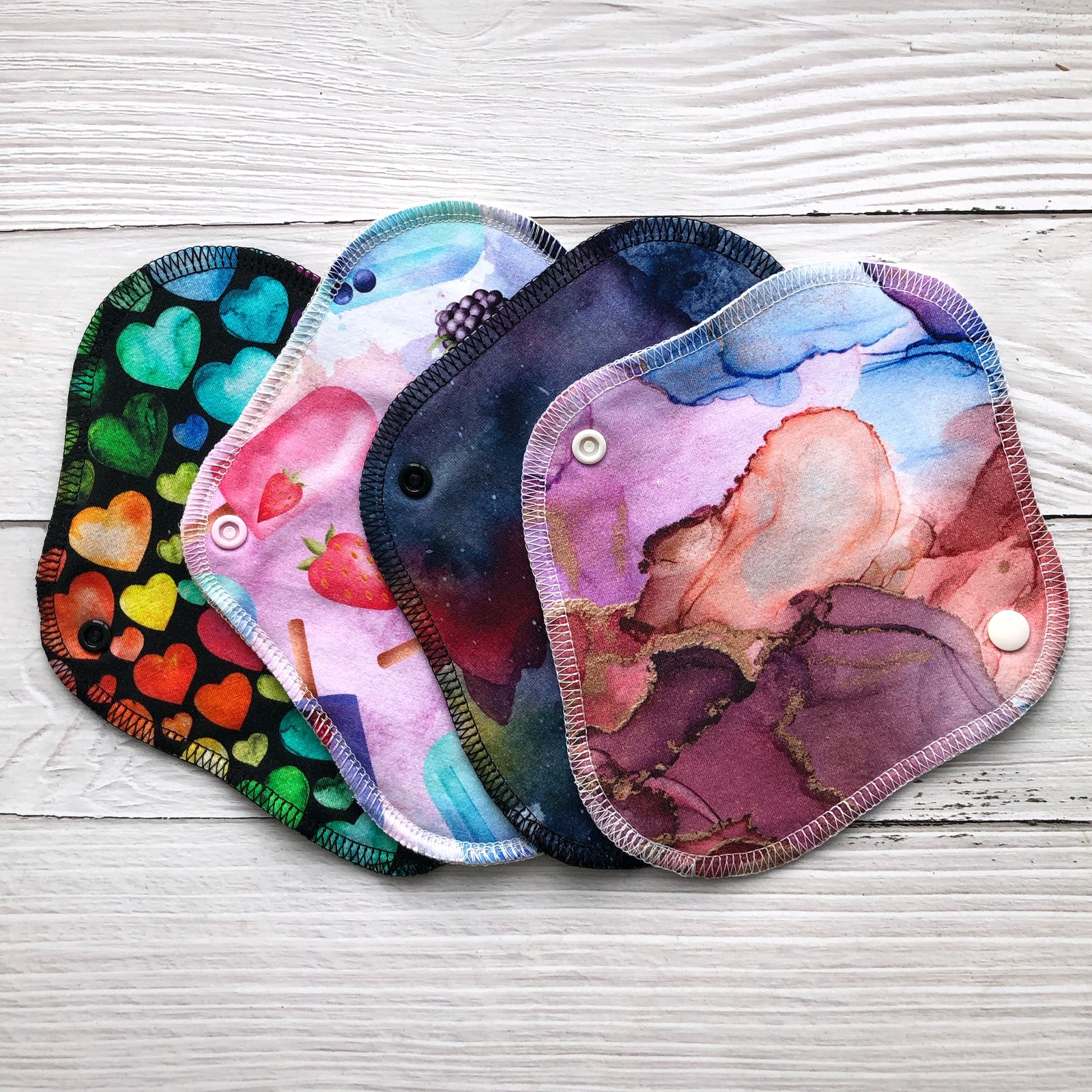
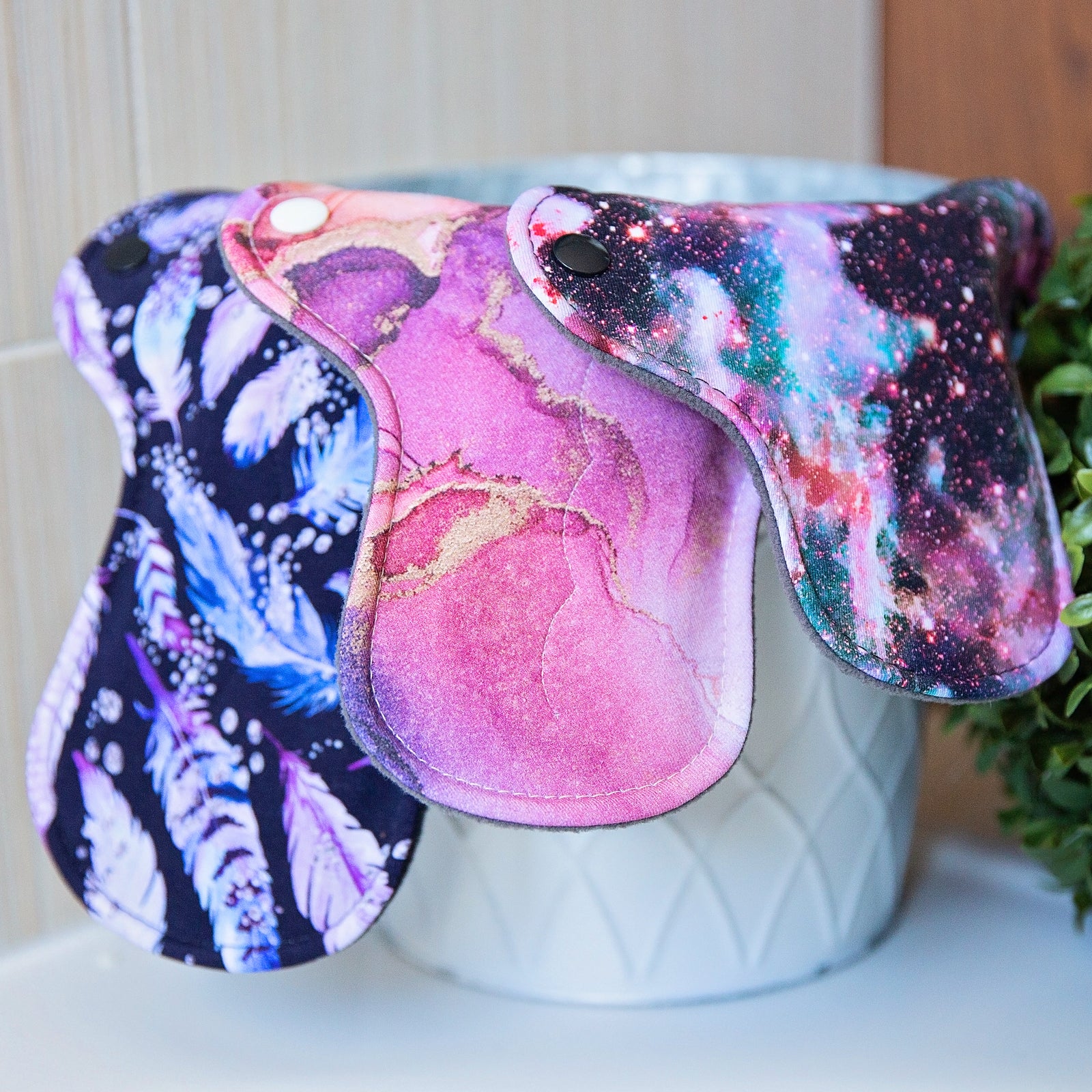
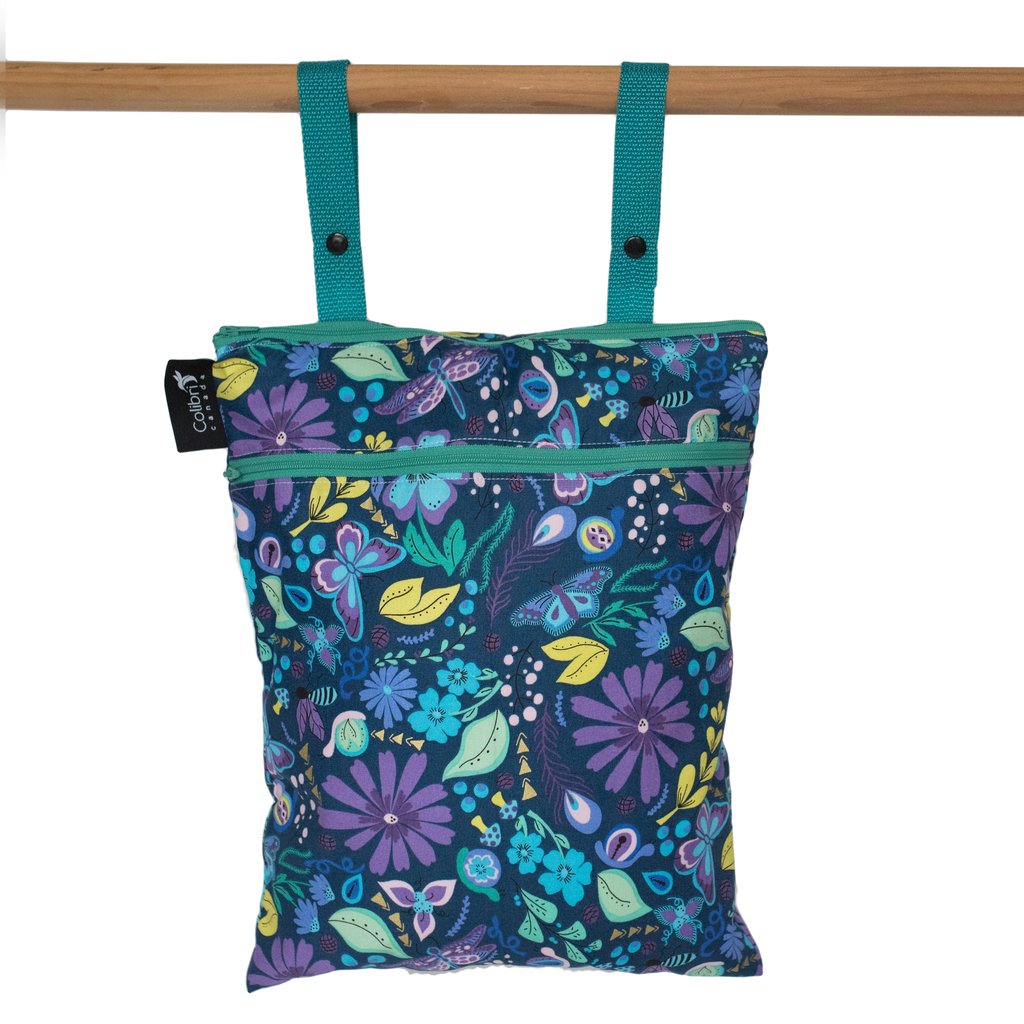
Reusable cloth pads are similar in shape to disposable pads, but made with soft clothing fabrics rather than plastic and gel. Instead of a sticky adhesive backing, they wrap around your underwear and fasten in place with a snap. Because they come in a variety of lengths and absorbencies, they are a good fit for light to heavy-moderate incontinence. If you already use pads and are simply looking for something more comfortable and sustainable, reusable cloth pads will be a natural transition for you. (Pssst - that’s exactly what we make at Amie Pads!) The Honest Tradeoff: they do require washing, though they toss right in with your regular laundry, and you'll want a small wet bag to carry a used pad when you're out.

Biodegradable/Organic Disposable Alternatives
As the most familiar alternative to traditional disposables, biodegradable or organic disposable pads can be an easy stepping stone for those who want to get away from conventional products, but aren’t ready to leap fully into reusables. Made with materials like cotton and bamboo and without plastic, perfumes or super absorbent polymers, these are definitely a meaningful improvement for the planet. The Honest Tradeoff: they tend to be significantly more expensive than conventional disposables, and unless they are properly composted rather than thrown in the trash, they will still end up in the landfill.
Pelvic Floor Physiotherapy
While pelvic floor physiotherapy is not a product alternative to disposable pads, it absolutely deserves a mention. This involves an assessment with a physiotherapist who has specialized training in helping pelvic muscles work their best. Going far beyond kegels, working with a pelvic floor physiotherapist can be life-changing as the targeted work and feedback can make a big difference to lessen or even eliminate bladder leaks. And that’s a big win for you, your wallet and the planet!
To learn more about Pelvic Floor Physiotherapy, we suggest our blog post, written by a Pelvic Floor Physiotherapist: Help! I Pee When I Sneeze
While all of these options may be excellent, the right one will depend on your life and your needs. Below are some questions to consider when choosing an alternative to disposable pads. These aren’t meant to be a quiz, but an opportunity to think through some of the factors that will help you make the best choice.
How heavy are your leaks? Are they light dribbles, sneeze pees, or occasional gushes? Both reusable options will work well on the lower to mid range of the spectrum. For heavier incontinence, a combination of reusable pads and absorbent underwear may be the best option for the coverage you need.
How is your access to laundry? Both reusable options will need laundering, but being fairly small items, they can generally go in with your regular wash. The main thing is to make sure you have enough to last comfortably until your next wash day.
Are you away from home often? Reusable pads travel easily with a spare pad tucked in a wet bag in your bag. Absorbent underwear is doable on the go too, but remember that changing them means fully undressing from the waist down, so that's worth factoring in.
What is your budget? Biodegradable disposable pads will involve the least cost upfront, but the greatest cost long-term. Reusables require an initial investment but cost nothing month-to-month and, bonus, they are immune to inflation once you own them!
If reusable cloth pads are sounding like the right fit for you, I'd love to help you find the perfect match. We have options for light to heavy-moderate incontinence, and our quick quiz will point you in the right direction in just a few questions. – Christine
Not sure which absorbency is right for you?
Take the quiz →